

I. How the Two Processes Work & Key Structural Differences
Ordinary Bright Annealing
• How it works: This is a simple "heat up - cool down fast" process. It uses a protective gas mix (mostly nitrogen with 5%~10% hydrogen) to keep the pipe from rusting. The pipe is quickly heated in a continuous furnace to specific temperatures: 1050~1150℃ for 300-series stainless steel (like 304 or 316L) and 900~950℃ for 400-series (like 430 or 410). The heating speed stays at 15~20℃ per second. Once it hits the target temp, there’s no holding period— the pipe goes straight into a cooling system and drops to below 350℃ at 55℃ per second or faster. The main goal is to skip the 550~850℃ range where harmful particles (called carbides) can form and damage the metal.
• Equipment setup: The furnace has four main parts: feeding, heating, cooling, and discharging— no separate section for holding temperature. It's usually 8~12 meters long. The heating uses electric wires or gas, with a basic temperature control system that keeps accuracy within ±5℃. Sealing relies on felt and nitrogen curtains to keep the protective gas in: hydrogen's dew point is ≤-70℃, nitrogen's ≤-60℃, and oxygen leakage is no more than 50ppm. The cooling part uses either air or water jackets, with a fixed flow rate that can't be adjusted for different pipe sizes.
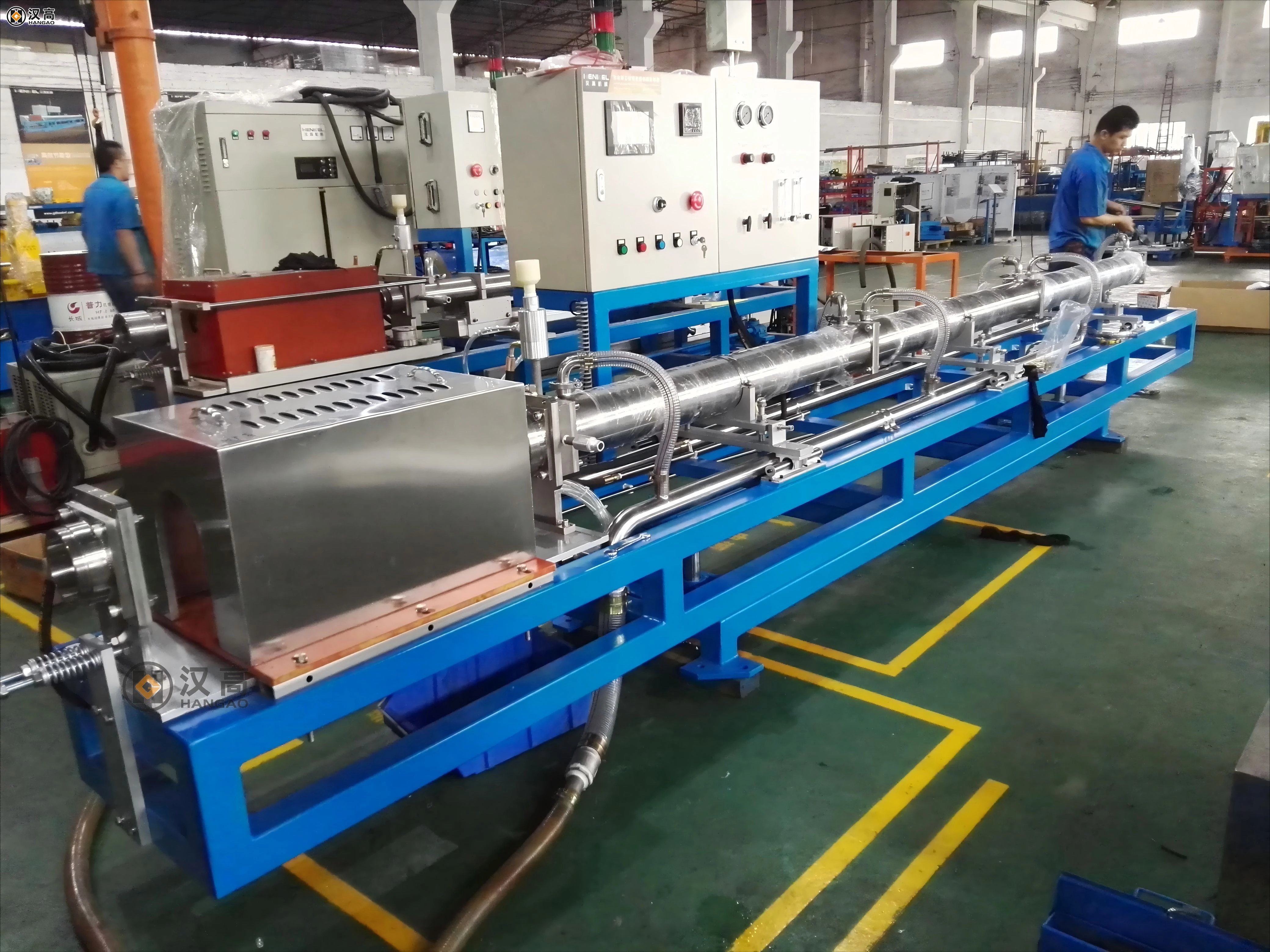
Ordinary Bright Annealing
Bright Annealing with Heat Preservation Section
• How it works: This adds a "holding stage" to the basic process, making it three steps: "heat up - hold - cool down". Heating is the same as the ordinary method, but once the pipe reaches temperature, it moves to a separate section to stay at that temp. The holding parameters depend on the steel type, pipe thickness, and how hard the metal is from processing: the holding temp is 20~50℃ lower than the heating temp (around 1030~1100℃ for 304 stainless steel), and the time is 10~15 minutes for regular pipes. Thin-walled pipes (≤0.5mm thick) or extra-hard pipes only need 4~8 minutes. During holding, the protective gas circulates evenly to keep the pipe's temperature consistent (no more than 3℃ difference around the pipe). This lets atoms in the metal spread out, dissolves harmful particles evenly, and relieves stress from manufacturing. Cooling happens in two steps: first fast (60~80℃ per second) to below 500℃, then slowly to room temperature to avoid new stress.
• Equipment setup: This furnace is longer— 18~25 meters— with extra sections: a sealed feeding area, preheating, main heating, holding, two cooling stages, and discharging. The holding section is the key upgrade: it has its own temperature sensor and control system (accurate to ±1℃) plus a fan to keep gas flowing at 0.8~1.2m per second for even heating. Sealing is better too: double layers (mechanical + gas) keep oxygen leakage under 10ppm, hydrogen's dew point ≤-75℃, and nitrogen's ≤-65℃. The cooling system is adjustable— it changes the flow and pressure of the nitrogen-hydrogen mix based on pipe size (diameter 0.08~50mm, thickness 0.05~3mm) for precise cooling. High-end models even let you adjust air flow across the pipe's width to keep temperature consistent all around.
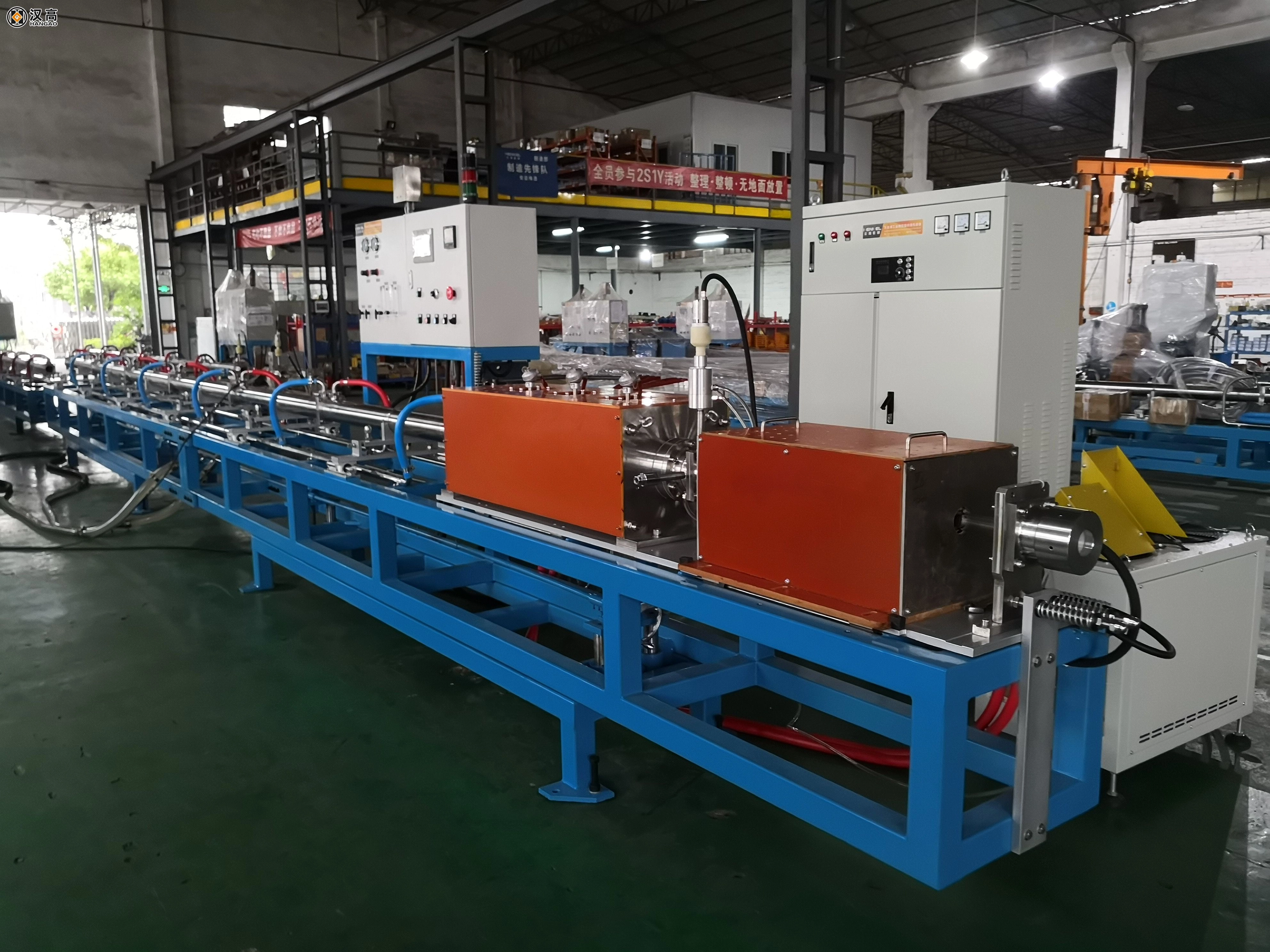
Bright Annealing with Heat Preservation Section
II. Key Performance Differences
| Comparison Area | Ordinary Bright Annealing | Bright Annealing with Heat Preservation Section | What Makes the Holding Stage Better |
| Metal Structure | Grains are uneven (12~18μm average size), some areas have larger grains. About 66%~71% of the metal recrystallizes (reforms into new grains). Small undissolved particles (0.5~1μm) stay at grain boundaries, and some deformed metal remains. | Grains are small and uniform (8~10μm average). 89%~92% of the metal recrystallizes, no oversized grains. All harmful particles dissolve, grain boundaries are clean, and the structure meets GB/T 13298-2015 Grade I standards. | Holding lets atoms spread evenly and fixes structural damage from processing. No more "hot and cold spots" in grains— the metal's structure is more stable at a microscopic level. |
| Mechanical Strength | Yield strength: 600~750MPa; tensile strength: 800~950MPa; elongation: 10%~15%; hardness (HV): 200~250. Residual stress is ≥50MPa, and the pipe’s inner wall has 20%~30% more stress than the outer wall. | Yield strength: 882~950MPa; tensile strength: 1000~1100MPa; elongation: 17.5%~22%; hardness (HV): 220~260. Residual stress is ≤20MPa, with less than 5MPa difference between inner and outer walls. | Holding relieves more stress from processing and makes grains smaller— so the metal is both stronger and more flexible. It bends, expands, or stretches without cracking, even for complex shapes. |
| Surface Quality | Bright but with slight color differences (ΔE3~5) and occasional small rust spots. Oxide layer is ≤0.01μm thick, surface roughness (Ra) is 0.1~0.2μm. Some areas lose 1%~2% of their chromium. | Mirror-bright with minimal color difference (≤ΔE2), no rust spots or scratches. Oxide layer is ≤0.005μm thick, Ra <0.1μm (some as low as 0.05~0.08μm). Chromium levels stay almost the same as raw material (≤0.5% difference). | Holding lets the surface oxide film break down evenly in the protective gas, so no leftover oxide or lost chromium. The smoother, thinner oxide layer makes the pipe 30% more corrosion-resistant— it passes 1000+ hours of salt spray testing (NSS). |
| Dimensional Accuracy | Straightness error: ≤0.3mm per meter; roundness error: ≤0.05mm; wall thickness varies by ±5%; outer diameter tolerance: ±0.1mm; length stability: ≤0.2% deviation. | Straightness error: ≤0.1mm per meter; roundness error: ≤0.02mm; wall thickness varies by ±2%; outer diameter tolerance: ±0.03mm; length stability: ≤0.1% deviation. | Holding relieves internal stress slowly, so the pipe doesn't warp during cooling. Even shrinkage means better precision— perfect for thin-walled or ultra-fine pipes that need tight size control. |
| Temperature Resistance | Works between -10~600℃. Above 600℃, strength drops by 20% or more, and the metal can deform over time (creep). | Works between -20~850℃. At 800℃, strength drops by ≤10%, and creep deformation is ≤0.5%. | The uniform metal structure handles extreme temperatures better. It's good for high-temperature fluid transport or equipment that operates in hot or cold conditions. |
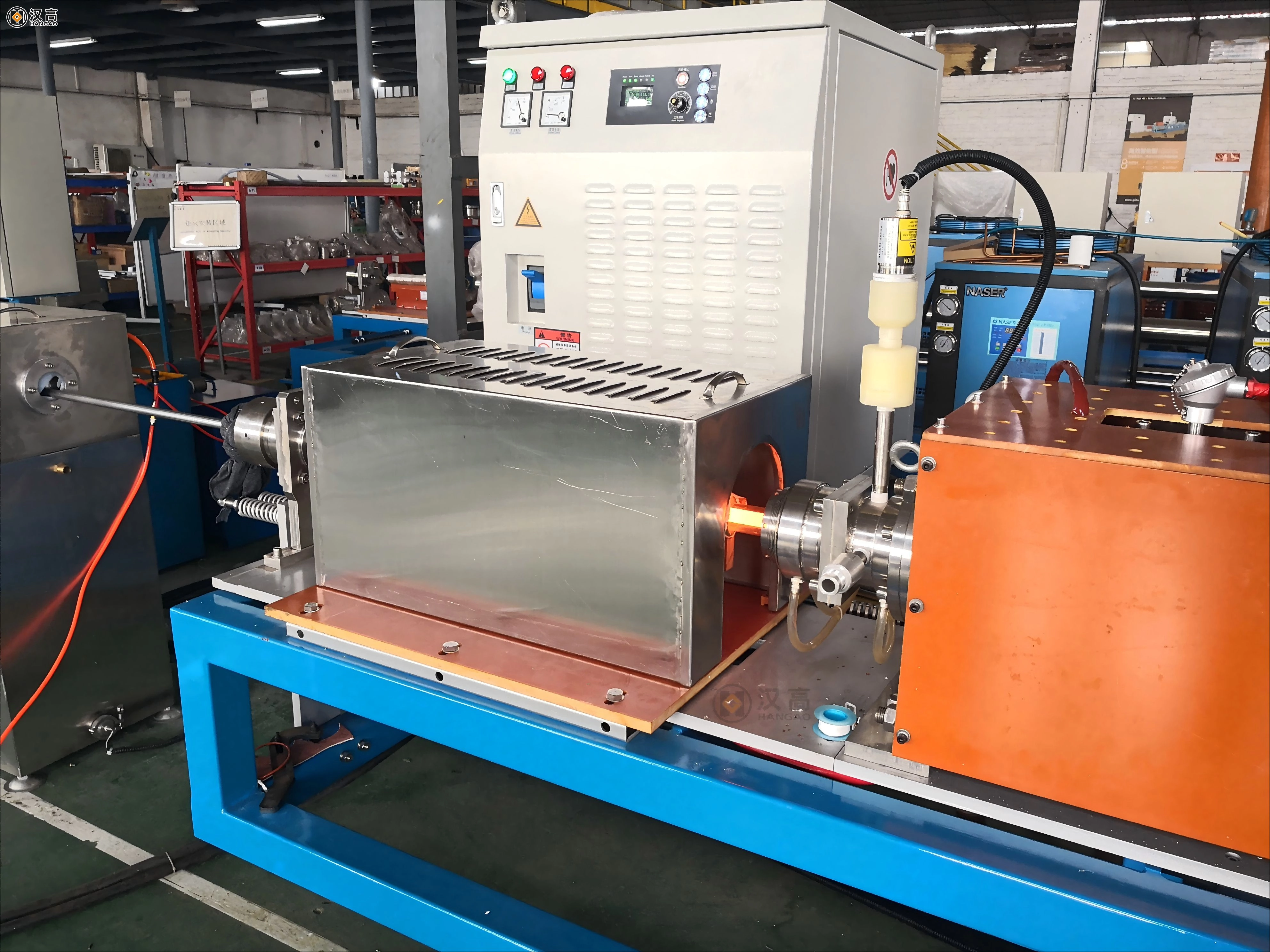
Quartz tube radiography
III. Where They're Used & Production Benefits
Ordinary Bright Annealing
• Best for: Mid-to-low-end products that don't need strict performance or precision:
◦ Decorative pipes: Building handrails, railings, door/window frames, furniture trim (just needs a bright look and basic bendability).
◦ Everyday fluid pipes: Water supply/drainage, ordinary gas lines, low-pressure air pipes (working pressure ≤1.6MPa, temp ≤100℃).
◦ Low-cost general-use pipes: Temporary construction pipes, mechanical protection sleeves (no high demands on lifespan or environment resistance).
• Production Pros & Cons:
◦ Speed: Fast— one φ20mm×1mm 304 pipe takes ≤5 minutes, line speed 15~20m/min. Great for mass-producing standard products.
◦ Cost: Low equipment investment (800,000~1.5 million yuan per line) and maintenance (50,000~80,000 yuan/year). Easy for small/medium businesses to start.
◦ Extra work: Needs polishing, pickling, or passivation afterward— adds 15%~20% to post-processing costs.
◦ Quality: 0.5%~1% pipe breakage rate. Defects mostly come from color differences, bending cracks, or size issues.
◦ Market: Lots of similar products— competition is based on price, not quality. Profit margins are thin (8%~12%).
Bright Annealing with Heat Preservation Section
• Best for: High-end products that need top performance, precision, or corrosion resistance:
◦ Industrial pipes: Petrochemical corrosion-resistant lines, medical device tubes (like endoscope catheters), 5G signal sleeves, semiconductor high-purity gas pipes.
◦ Extreme environment pipes: Low-temp (-20~-50℃) or high-temp (600~850℃) fluid lines, marine-use corrosion-resistant pipes, high-humidity/salt-spray structural pipes.
◦ Precision pipes: Ultra-fine (0.08~1mm diameter), thin-walled (0.05~0.3mm thick), or special-shaped (elliptical, square, hexagonal) pipes— used in electronics or aerospace.
◦ Specific materials: 304/316L stainless steel (needs corrosion resistance)、430 ferritic stainless steel (prone to stress cracking)、2205 duplex stainless steel (high-end alloy).
• Production Pros & Cons:
◦ Speed: Slightly slower— one φ20mm×1mm 304 pipe takes 8~12 minutes, line speed 8~12m/min. But no post-processing means faster overall delivery.
◦ Cost: Higher equipment investment (2~4 million yuan per line) and maintenance (100,000~150,000 yuan/year). But the technical barrier keeps competition low.
◦ Extra work: No polishing or pickling needed— saves 15%~20% on post-processing, cutting total costs by 10%~15%.
◦ Quality: ≥99.5% qualification rate, breakage rate ≤0.1%. Almost no defects— less raw material waste.
◦ Market: High added value, meets custom high-end needs. Profit margins are 20%~30%. Breaks free from low-price competition and fits new energy/medical/aerospace trends.
◦ Environment: No pickling means no toxic wastewater or gas. Cuts metal loss by 3%~5% and complies with "double carbon" policies— may qualify for environmental subsidies.
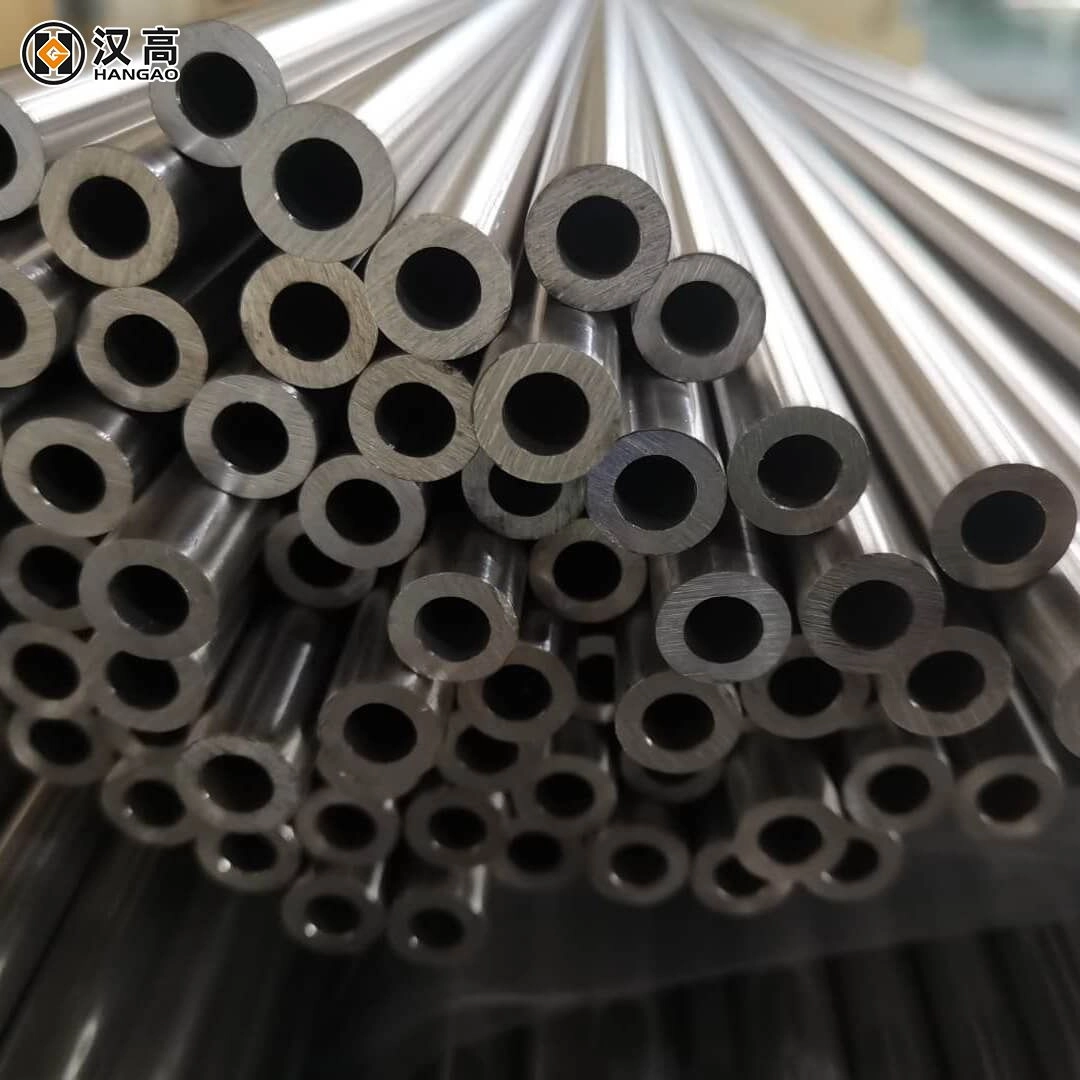
Stainless steel pipe
IV. How to Choose the Right Process
1. If you're focused on cost: Go with ordinary bright annealing if you make mid-to-low-end civil pipes. It's cheap to set up and fast to produce, but plan for extra post-processing. Add simple polishing equipment to improve surface quality and compete better.
2. If you prioritize quality: Choose the heat preservation process for high-end, precision, or extreme-environment pipes. The higher initial investment pays off with better product quality, no extra processing, and higher profits. It also builds a technical edge so you don't have to compete on price.
3. If you need to meet environmental rules: The heat preservation process is greener— no pickling means no pollution. It avoids environmental fines, builds a "green manufacturing" reputation, and attracts eco-conscious high-end customers. You may also get policy support for using clean technology.
4. If you want to expand to high-end markets: The heat preservation process is a must for petrochemical, medical, or aerospace clients. These industries need pipes that meet strict standards (like GB/T 713.1-2023 BA-grade or ASTM A269). Pair the process with quality testing (metallographic analysis, strength tests, corrosion tests) to ensure compliance.
V. Industry Trends & Why the Upgrade Matters
Today's stainless steel pipe industry is moving toward better quality, higher precision, and greener production. New fields like new energy, medical devices, and 5G need pipes that are stronger, more corrosion-resistant, and more precise than ever. Ordinary bright annealing can't keep up— but the heat preservation process fits these trends perfectly.
Technically, the heat preservation process isn't just an extra step. It's about making the metal's internal structure as uniform as possible, which improves every key performance metric. Upgrading the process is the best way to make better products— and that's how manufacturers stand out.
Market-wise, high-end stainless steel pipes are in growing demand, and they're much more profitable than cheap ones. With the heat preservation process, you can sell pipes for 5~10 times more than ordinary ones (like in medical devices) because they meet strict requirements. In petrochemicals, they're trusted for extreme conditions— building long-term customer loyalty.
Environmentally, strict rules are making pickling less viable. The heat preservation process is the sustainable choice, and as eco-laws get tougher, this will be a bigger advantage. It's not just good for the planet— it's good for business.
VI. Final Thoughts
Ordinary bright annealing is for basic needs— it's cheap and fast, but limited in quality. Bright annealing with a heat preservation section is for when you want the best— better strength, precision, corrosion resistance, and environmental performance.
Your choice depends on your business goals. If you want to compete in high-end markets and grow long-term, the heat preservation process is worth the investment. It's not just a better way to make pipes— it's a way to build a stronger, more competitive business.
As technology improves, the heat preservation process will get even more efficient and cost-effective. Getting ahead now means seizing opportunities in high-value markets— and staying ahead of the competition.
