

If you are new to HVAC sourcing, you may assume that copper is the only option for refrigerant lines. After all, it has been the default choice for decades. However, buyers across the refrigeration industry are now facing a painful reality: copper prices swing wildly, theft is common on job sites, and the metal corrodes when exposed to certain modern refrigerants. For project managers and procurement teams, this means budget overruns, delayed shipments, and callbacks for leaks.
The Air conditioning industry is under additional pressure. Global electrification is pushing demand for copper into batteries and EV motors, leaving less raw material for building infrastructure. When your production schedule depends on a metal that everyone else wants, you are competing with automotive and electronics giants for the same limited stock. That is not a comfortable position for any OEM or contractor.
This is where stainless steel refrigerant pipe enters the picture. Unlike its copper counterpart, this alloy tubing resists corrosion from R32, R410A, and other next-generation coolants. It also maintains structural integrity under high pressure, which matters when systems must operate in extreme heat or cold. For buyers, the shift is straightforward: you swap a scarce, expensive material for one that is abundant, stable in price, and technically superior in many environments.In this article, we will explore why this shift is happening and how a high precision stainless steel refrigerant pipe production line can redefine your supply chain.
1. The Pain Points: Why Copper is Falling Behind
If you are a distributor or a project manager in the refrigeration industry, you are likely facing three major challenges today:
First, the volatile cost of copper. Copper prices are notoriously unstable, making long-term project budgeting a nightmare. This price sensitivity eats into your profit margins and makes it difficult to provide stable quotes to your clients.
Second, the structural limitations. As the Air conditioning industry moves toward more eco-friendly refrigerants like R32 or CO2 (R744), operating pressures are skyrocketing. Copper often requires thicker walls to handle these pressures, which increases weight and cost without adding functional value.
Third, durability and theft. Copper is soft and prone to oxidation in harsh environments. Furthermore, its high scrap value makes it a frequent target for theft on construction sites. These "hidden costs" are prompting engineers to look for a more robust material that offers superior corrosion resistance and mechanical strength.
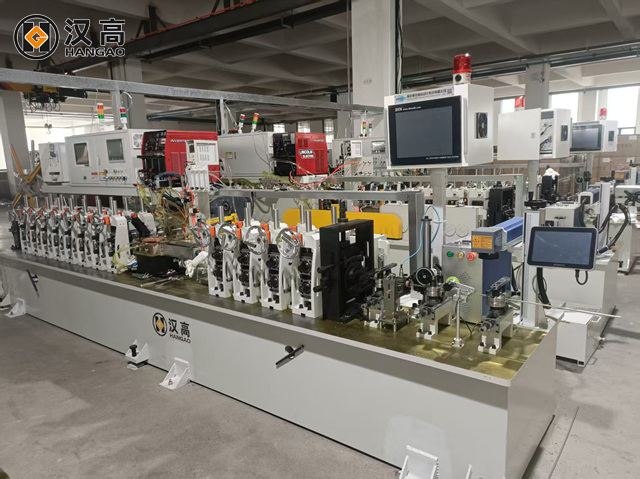
2. The Solution: Switching to Stainless Steel Refrigerant Pipe
The transition to stainless steel refrigerant pipe solves these pain points simultaneously. Unlike copper, stainless steel offers a high strength-to-weight ratio, allowing for thinner pipe walls that can still handle much higher burst pressures. This makes it the ideal candidate for high-pressure CO2 refrigeration systems.
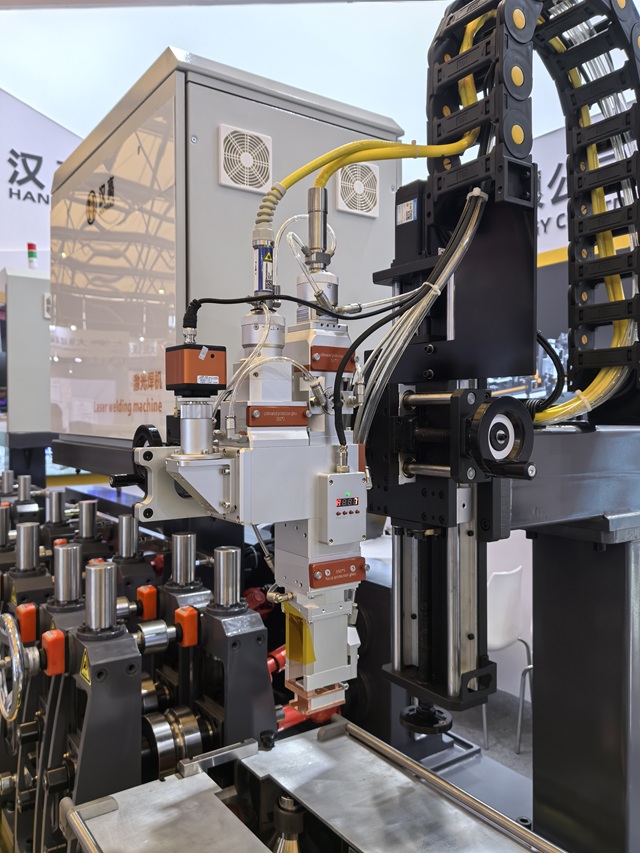
From a manufacturing perspective, the secret to high-quality piping lies in laser welding. Unlike traditional TIG welding, laser welding creates a narrow, deep weld seam with a minimal heat-affected zone. This ensures that the internal surface of the stainless steel refrigerant pipe remains smooth and free of contaminants, which is critical for maintaining the efficiency of the compressor and the overall system.
By investing in a high precision stainless steel refrigerant pipe production line, manufacturers can produce pipes that meet the exacting tolerances required by the Air conditioning industry. These pipes are not only cheaper to produce than their copper counterparts in many cases, but they are also 100% recyclable, aligning with modern "Green Building" certifications.
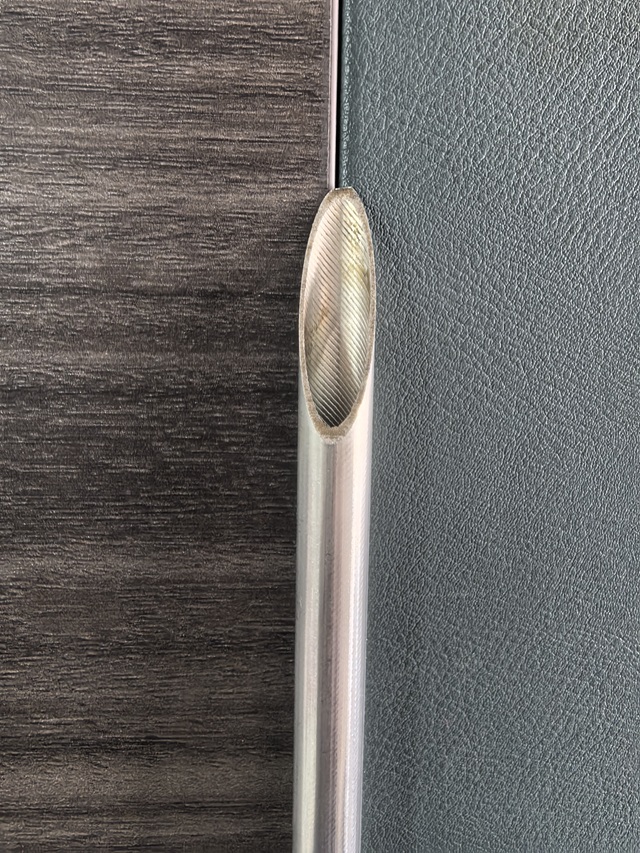
3. Technical Parameters: What Makes a Quality Pipe?
When sourcing or manufacturing stainless steel refrigerant pipe, technical precision is non-negotiable. To ensure the pipes can withstand decades of vibration and temperature fluctuations, certain standards must be met.
Below are the typical technical benchmarks for pipes produced on a professional stainless steel refrigerant pipe production line:
Material Grade: Usually 304, 304L, or 316L, providing excellent resistance to pitting and stress corrosion.
Wall Thickness Tolerance: Controlled within ±0.03mm through high precision stainless steel refrigerant pipe production line calibration.
Pressure Rating: Capable of handling operating pressures up to 140 bar (for CO2 applications) with a safety factor of 3:1.
Surface Finish: Internal roughness (Ra) < 0.8μm to prevent oil trapping and ensure smooth refrigerant flow.
Welding Technology: Utilizing automated laser welding to ensure a 100% penetration rate without the need for filler metals.
These parameters ensure that the stainless steel refrigerant pipe performs reliably under the most demanding conditions, from industrial cold storage to residential VRF systems.
4. Customer Case Study: A Transition to Efficiency
Let's look at a real-world example. A large domestic commercial HVAC contractor was struggling with a persistently high failure rate of copper pipes in a coastal resort project. Salty air caused the copper pipes to corrode rapidly, leading to refrigerant leaks within just 18 months.
After consulting with our technical team, they replaced the system with stainless steel refrigerant pipe. By utilizing a high precision stainless steel refrigerant pipe production line to customize the lengths, they reduced the number of manual joints required on-site.
The results were significant:
Material Cost Savings: Even with the higher grade of 316L steel, the total material cost was 15% lower than the equivalent heavy-wall copper.
Installation Speed: Because stainless steel is lighter than thick-walled copper, the installation team completed the piping 20% faster.
Zero Leaks: Two years later, the system has maintained 100% integrity with no signs of external corrosion.
This success story has led the contractor to standardize stainless steel refrigerant pipe for all their coastal projects, showcasing the long-term viability of the material in the refrigeration industry.
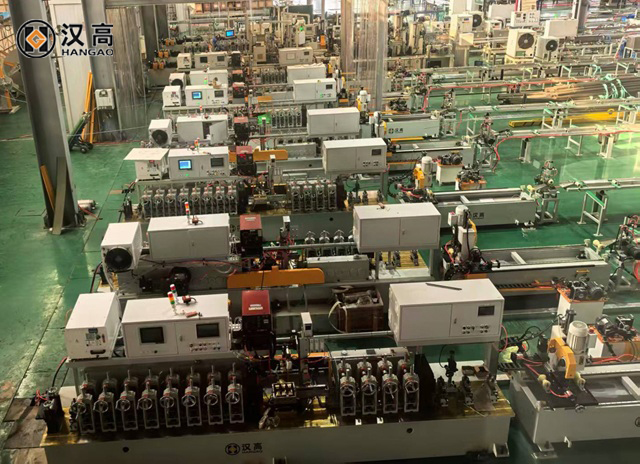
5. FAQ: Everything You Need to Know
Q1: Is it harder to bend and flare stainless steel compared to copper?
While stainless steel is harder than copper, modern tools designed for the Air conditioning industry make bending and flaring quite simple. Additionally, using a high precision stainless steel refrigerant pipe production line ensures the pipe has the correct annealing state, making it flexible enough for standard installation practices.
Q2: Can I use standard fittings with stainless steel refrigerant pipe?
It is recommended to use stainless steel press fittings or specialized brazing alloys. Because laser welding provides such a consistent outer diameter, press-fit systems work exceptionally well, drastically reducing the fire hazard associated with open-flame brazing on-site.
Q3: How does the cost compare to copper in the long run?
While the initial purchase price might fluctuate, the total cost of ownership for a stainless steel refrigerant pipe system is almost always lower. You save on material weight, maintenance, and the potential costs of refrigerant refills due to leaks.
Q4: Is stainless steel compatible with all refrigerants?
Yes. Stainless steel is chemically inert to almost all synthetic and natural refrigerants, including ammonia (R717), which is highly corrosive to copper. This versatility makes it the "future-proof" choice for the refrigeration industry.
Conclusion
The shift toward stainless steel refrigerant pipe is not just a trend; it is a logical evolution. By leveraging advanced manufacturing techniques like laser welding and high-output stainless steel refrigerant pipe production lines, the industry is finding a way to be more efficient, sustainable, and profitable.
If you are looking to upgrade your product line or source high-quality materials for your next project, choosing a high precision stainless steel refrigerant pipe production line partner is the first step toward staying competitive in a rapidly changing global market. The era of copper dominance is fading—stainless steel is here to stay.
