

The Difference Between Welded Pipes and Seamless Pipes: Advantages and Why Welded Pipes Are Often More Stable
Steel pipes are widely used in many industries such as oil and gas transportation, construction, mechanical manufacturing, chemical engineering, and power generation. Among the different types of steel pipes, welded pipes and seamless pipes are the two most common categories.
Although both are used for similar purposes, they are produced in very different ways and have different characteristics in terms of structure, performance, cost, and applications. In recent years, welded pipes have been increasingly used in many engineering projects. In some cases, they are even considered more stable and more economical than seamless pipes.
This article explains the main differences between welded pipes and seamless pipes, their advantages, and the reasons why welded pipes can provide stable performance in many industrial applications.
1. What Are Welded Pipes?
A welded pipe is made by forming steel plates or steel coils into a cylindrical shape and then welding the edges together. The welding process joins the edges of the steel to create a continuous pipe.
Depending on the welding process, welded pipes can be classified into several types:
ERW (Electric Resistance Welded) pipes
LSAW (Longitudinal Submerged Arc Welded) pipes
SSAW (Spiral Submerged Arc Welded) pipes
Modern welding technologies include:
High-frequency resistance welding
Submerged arc welding
Laser welding
TIG or MIG welding
Today’s welded pipe production lines are highly automated. The entire process—from forming to welding and inspection—can be completed continuously, ensuring consistent product quality.
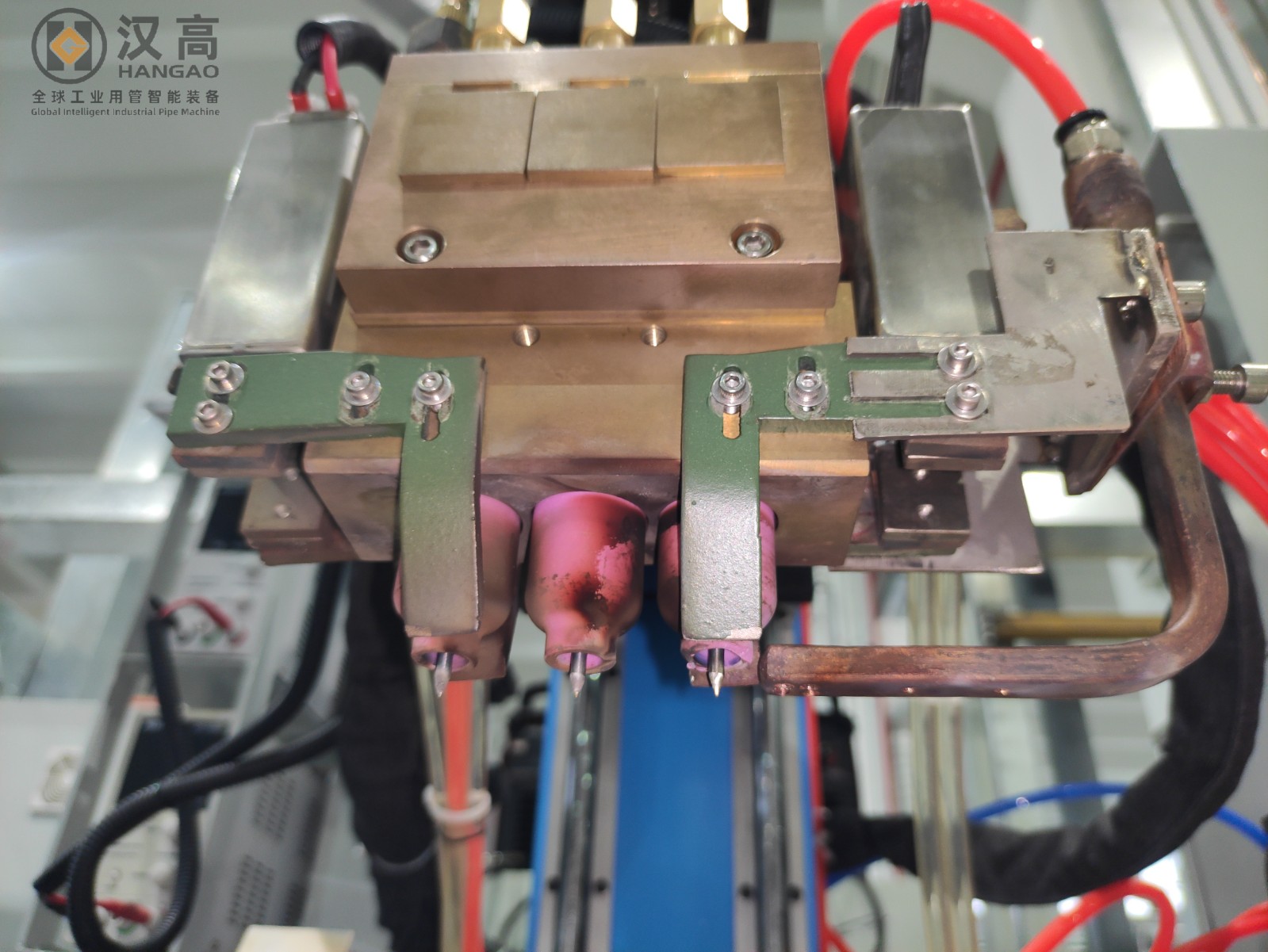
Hangao 's Latest Three Tig Welding
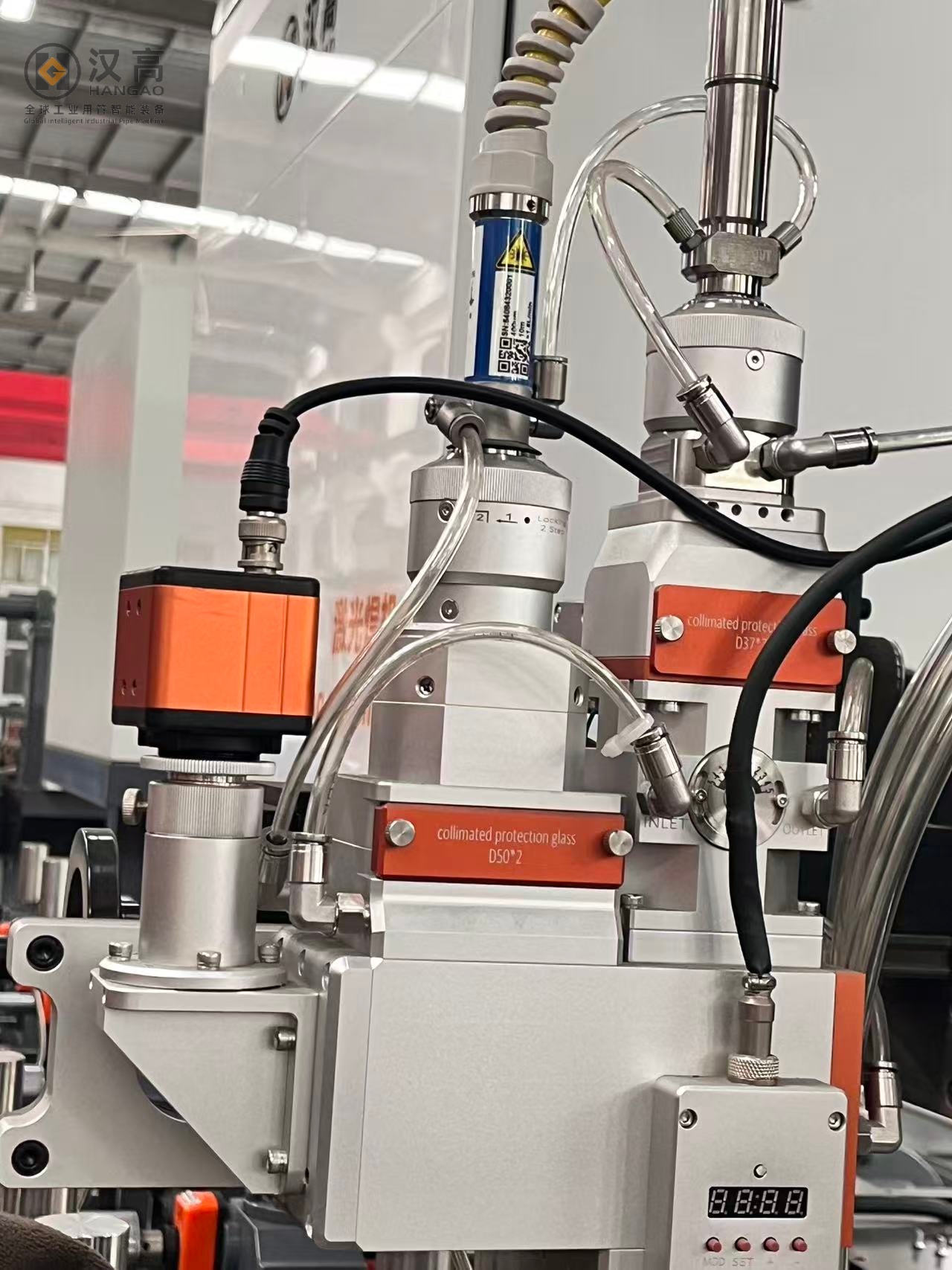
Hangao's Latest Laser Welding
2. What Are Seamless Pipes?
Seamless pipes are produced using solid round steel billets instead of steel plates. The billet is heated and then pierced to create a hollow tube. After that, it goes through several rolling and stretching processes to reach the required size.
Typical production steps include:
Heating the round billet
Piercing to form a hollow tube
Rolling
Sizing
Cold drawing or cold rolling
Heat treatment
Because the pipe is formed from a solid billet without any welding process, the final product does not contain a weld seam, which is why it is called a seamless pipe.
3. Differences in Manufacturing Process
Welded Pipe Production
The general process for welded pipes includes:
Steel coil → uncoiling → leveling → forming → welding → weld inspection → sizing → cutting → finished pipe
Key advantages of this process include:
High production efficiency
Continuous manufacturing
Good dimensional accuracy
Lower production cost
High-frequency ERW welding is widely used today. This technology allows very fast welding speeds and produces welds with mechanical properties close to the base metal.
4. Seamless Pipe Production
Seamless pipe production involves more complex steps:
Steel billet → heating → piercing → rolling → sizing → cold drawing or rolling → heat treatment → inspection
Compared with welded pipes, seamless pipe production:
Requires more processing steps
Uses more energy
Needs more specialized equipment
Takes longer production time
As a result, seamless pipes generally have higher manufacturing costs.
5. Performance Comparison
In practical engineering applications, welded pipes and seamless pipes show different strengths in several areas.
| Aspect | Welded Pipe | Seamless Pipe |
|---|---|---|
| Production Cost | Lower | Higher |
| Production Efficiency | High | Lower |
| Dimensional Accuracy | High | Moderate |
| Wall Thickness Uniformity | Excellent | Less consistent |
| Structural Continuity | With weld seam | No weld seam |
| Large Diameter Production | Easy | Difficult |
| Production Consistency | Stable | Can vary |
In many situations, welded pipes provide better dimensional control and production consistency.
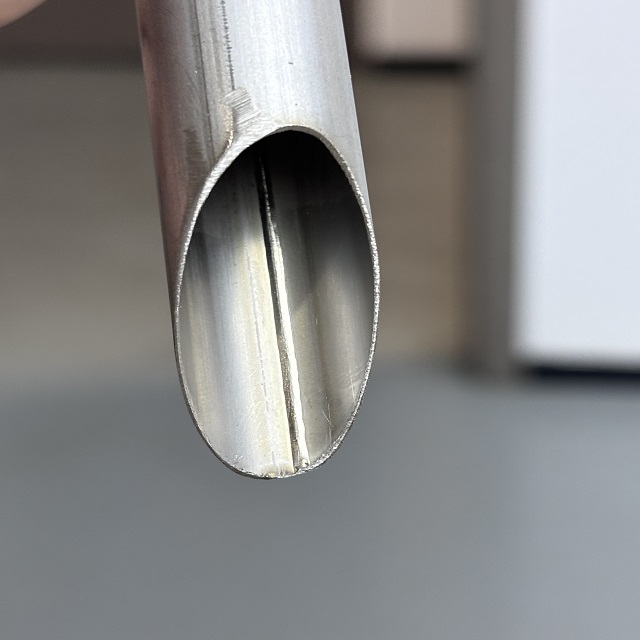
Welding Quality
6. Why Welded Pipes Can Be More Stable
Many people assume that seamless pipes must always be better because they do not have weld seams. However, in real industrial applications, welded pipes often demonstrate very stable and reliable performance. There are several reasons for this.
Stable Raw Materials
Welded pipes are typically made from hot-rolled steel coils, which are produced in modern steel mills with strict quality control.
These materials usually have:
Uniform chemical composition
Consistent thickness
Stable mechanical properties
Seamless pipes rely on steel billets, which can sometimes contain internal defects such as segregation or inclusions formed during casting.
More Uniform Wall Thickness
Since welded pipes are formed from flat steel plates, the wall thickness remains consistent throughout the pipe.
In seamless pipe manufacturing, the piercing process may create wall thickness variations or eccentricity, especially in larger pipes. This can result in uneven stress distribution during operation.
Continuous and Automated Production
Welded pipe production lines are typically fully automated and continuous. Key parameters such as temperature, pressure, and welding speed are carefully controlled.
Modern production lines also include real-time inspection technologies such as:
Ultrasonic testing
Eddy current testing
X-ray inspection
These systems help ensure stable and consistent product quality.
Controllable Weld Quality
In modern ERW and submerged arc welding processes, weld quality is highly controlled. The weld seam is usually:
Trimmed internally and externally
Heat-treated
Non-destructively tested
After these processes, the weld strength can be equal to or even stronger than the base material.
Improved Stress Distribution
Welded pipes are typically formed through controlled cold forming, which results in relatively uniform deformation.
Seamless pipes undergo intense deformation during piercing and rolling, which may introduce residual stresses in the material. These stresses can affect long-term stability.
Strict Inspection Procedures
Because the weld seam is a critical area, welded pipes are often subjected to strict inspection standards. Testing methods commonly include:
Ultrasonic testing
Radiographic testing
Eddy current testing
Hydrostatic pressure testing
This focused inspection approach ensures that potential defects are detected early.
7. Typical Applications
Applications of Welded Pipes
Welded pipes are widely used in:
Oil and gas transmission pipelines
Municipal water supply systems
Structural construction
Bridge engineering
Wind power towers
Mechanical structures
Large pipeline projects around the world commonly rely on welded pipes.
Applications of Seamless Pipes
Seamless pipes are typically used in environments that require very high pressure or high temperature resistance, such as:
Boiler systems
Petroleum drilling equipment
Chemical processing plants
High-pressure pipelines
Precision mechanical components
In these special conditions, seamless pipes may still be the preferred option.
8. Future Development of Welded Pipes
With continuous improvements in manufacturing technology, welded pipes are becoming even more reliable and versatile.
Key developments include:
Advanced high-frequency welding technology
Fully automated inspection systems
Use of high-strength pipeline steels such as X70 and X80
Large-diameter offshore pipeline applications
As a result, welded pipes are expected to play an increasingly important role in global pipeline and infrastructure projects.
Conclusion
Both welded pipes and seamless pipes have their own advantages and are suitable for different applications. However, modern manufacturing technology has significantly improved the performance and reliability of welded pipes.
Compared with seamless pipes, welded pipes offer several important benefits:
Lower production cost
Higher dimensional accuracy
More uniform wall thickness
Easier production of large diameters
Stable and consistent quality
Because of these advantages, welded pipes have become a cost-effective and reliable choice for many engineering projects around the world.
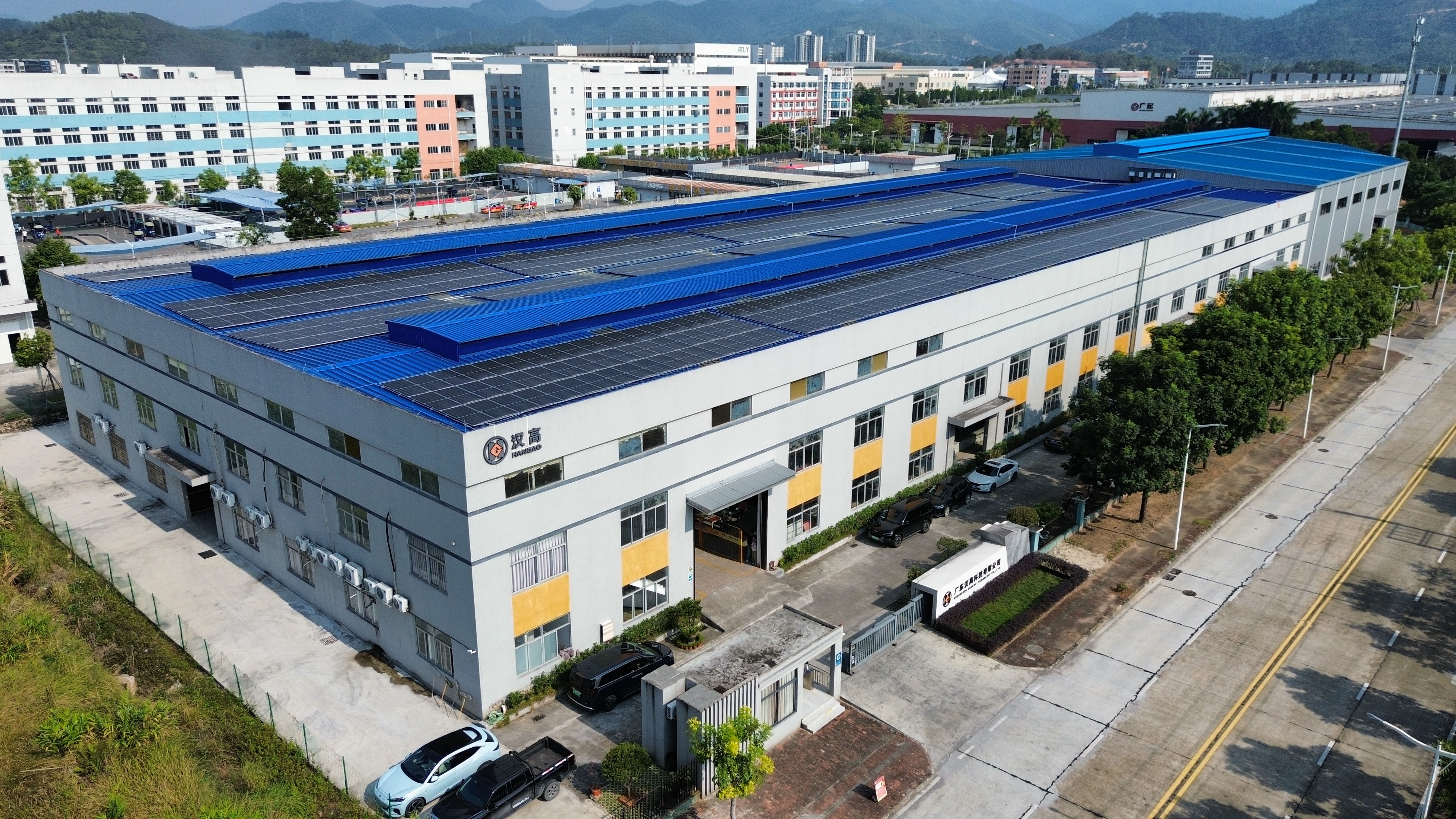
Hangao Technology- Your Reliable Partner
